Unlock Your Creativity: Fun Sewing Lessons for Every Skill Level
Releasing creativity through sewing offers an accessible outlet for self-expression. Enjoyable lessons are designed for all skill levels, from first-timers to skilled sewists. Every session covers fundamental tools and techniques, building a nurturing environment. Attendees can engage with a range of projects that fuel their imagination. As they progress, they may wonder how to further elevate their skills or remain inspired. This experience encourages them to explore what awaits beyond the fundamentals.
Important Tools Every Sewist Should Own
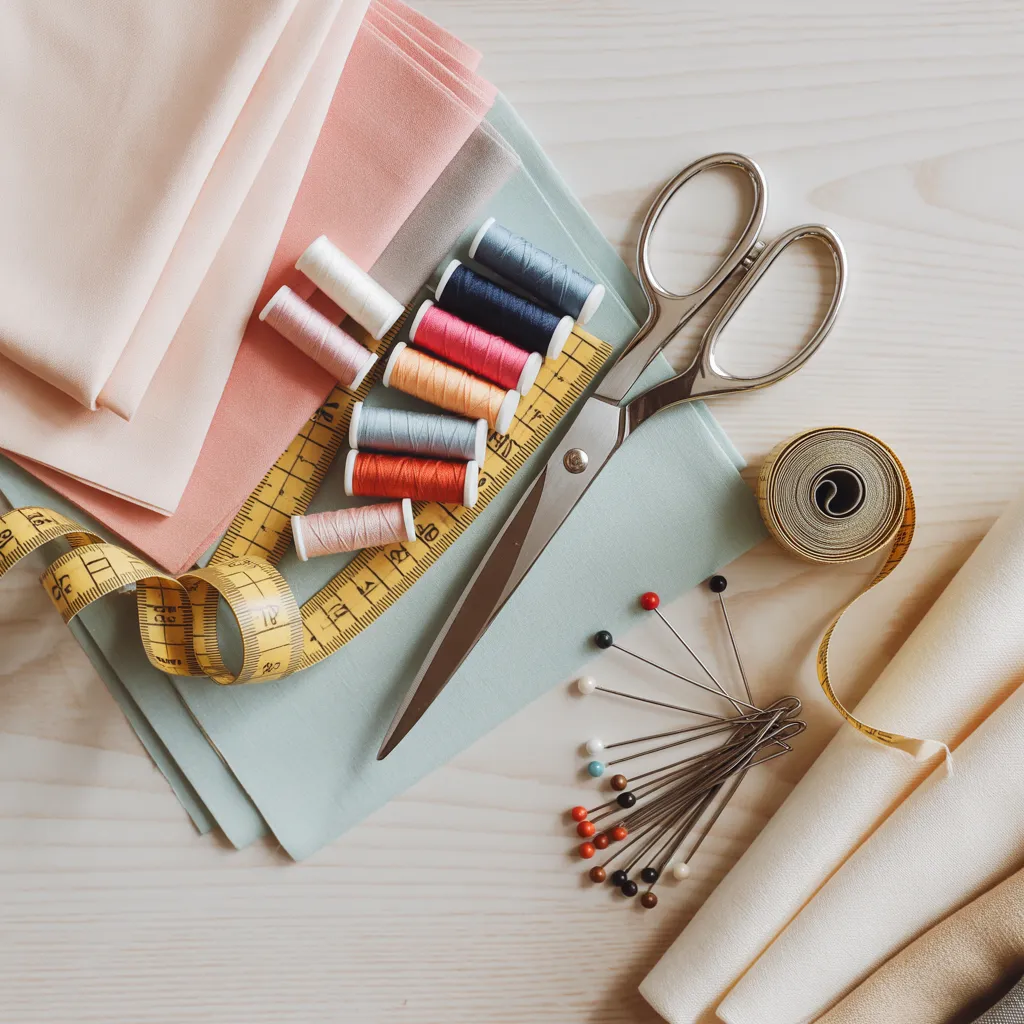
A well-equipped sewing kit is the foundation of any successful project. Key tools serve a vital role in guaranteeing both efficiency and quality. The foundation of any kit includes a sturdy pair of fabric scissors, built to make clean cuts while preventing fraying. Additionally, a rotary cutter offers precision for intricate designs. Tools for measuring, including a tape measure and a transparent ruler, are essential for achieving precise dimensions and seam allowances.
A pincushion and pins are indispensable for keeping fabric secure, while a selection of needles addresses different types of fabric. Multicolored thread provides creativity and adaptability. A seam ripper, while frequently underestimated, is essential for correcting mistakes. Finally, an iron and ironing board are essential for achieving crisp seams and polished finishes. By collecting these essential tools, any sewing enthusiast can begin their creative journey with assurance.
Core Sewing Techniques for New Learners
With the right tools in hand, novices can boldly embark on their sewing adventure by acquiring essential skills. Core competencies like threading a needle, tying knots, and understanding sewing machine operations are essential. Mastering the straight line stitch is vital, as it forms the foundation for more complex projects.
Newcomers should also become acquainted with different stitch types, like straight stitches and zigzag stitches, which serve various purposes. In addition, developing good fabric handling skills, such as pinning and pressing, boosts both accuracy and overall finish.
Mastering pattern reading and cutting fabric accurately is vital for project success. Elementary practices like backstitching for reinforcement and using seam allowances can substantially boost the standard of craftsmanship.
Sewing Ideas to Ignite Your Creativity
Exploring creative potential through sewing endeavors can elevate fundamental techniques into creative masterpieces. Participating in diverse sewing endeavors gives sewers the opportunity to unleash their creativity while perfecting their craft. Straightforward creations like tote bags or decorative pillow covers serve as excellent starting points, enabling sewers to experiment with fabrics and patterns.
For individuals looking for a challenge, quilted patchwork or personalized garments can ignite a deeper sense of creativity. These endeavors not only offer a sense of achievement but also invite personal touches, like one-of-a-kind color schemes and embellishments.
In addition, transforming outdated clothing into new pieces fosters creativity and eco-consciousness, establishing sewing as a rewarding hobby that supports both artistic expression and ecological mindfulness.
Via these wide-ranging projects, people can uncover their personal tastes and develop their style, ultimately fostering a greater appreciation for the art of sewing. Such undertakings can encourage continued growth and creative expression throughout the sewing experience.
Intermediate Sewing Techniques to Elevate Your Craft
Advancing skills in sewing involves mastering intermediate methods that enhance both usability and appearance. These skills enable sewists to develop garments and projects that embody a higher level of artistry. One important technique is the application of pleats and darts, which can shape fabric to fit the body more skillfully. Additionally, understanding how to skillfully construct zippers and closures can turn basic patterns into finished and polished works.
One other useful method involves working with bias binding, which provides clean, finished edges on various projects. Sewists can also experiment with various stitching options, such as decorative or zigzag stitches, to introduce creative embellishments. Learning to create buttonholes with precision not only improves functionality but also elevates the visual appeal of a project. By incorporating these intermediate techniques, those who sew can improve their craft, resulting in more professional and visually appealing creations.
Advanced Techniques to Master in Sewing
In the world of sewing, acquiring advanced techniques is vital for those aiming to enhance their expertise. Key areas of focus include precision pattern cutting, sophisticated stitching techniques, and creative fabric manipulation methods. These elements not only enhance the quality of the finished product but also expand a sewist's creative possibilities.
Exact Pattern Cutting
Although many sewers focus primarily on fabric and stitching, developing precision pattern cutting skills is just as important for producing professional-quality garments. This approach entails precisely measuring and cutting patterns to secure accuracy and consistency, which significantly affects the ultimate fit and presentation of the garment. Accurate pattern cutting demands not only proper tools, including sharp rotary cutters and rulers, but also a careful attention to detail. Sewers must learn to account for seam allowances and fabric grain, which can greatly affect the outcome. Through consistent practice of these techniques, sewers can enhance their craftsmanship, producing garments that are not only refined in appearance but also perfectly fitted. In the end, accuracy in pattern cutting establishes the groundwork for successful sewing endeavors.
Superior Stitching Strategies
Mastering expert needlework approaches transforms standard needlework tasks into remarkable works of artistry. These approaches, including the use of a double needle for uniform thread placement, enhance the visual appeal and durability of garments. Additionally, developing proficiency in methods like French seams and flat-felled seams elevates the finish, providing a professional touch that is often sought after. Integrating decorative stitches, like heirloom or zigzag patterns, can add unique flair to any project while providing practical benefits. Recognizing the intricacies of tension adjustments and thread types continually improves the sewing experience, enabling creators to achieve desired results consistently. By embracing these sophisticated approaches, sewers can broaden their skill set, consequently growing their creative horizons and advancing their sewing accomplishments.
Fabric Manipulation Techniques
Investigating fabric manipulation techniques helps sewers to enhance their projects through creative methods that enhance texture and shape. Techniques such as pleating, gathering, and tucking allow sewers to add depth and intricacy to their projects. Additionally, draping and fabric layering can create intriguing silhouettes, while practices like smocking and quilting provide both aesthetic appeal and lasting durability. Skilled crafters may also experiment with approaches like bias-cutting to alter how the fabric drapes, or apply heat techniques to achieve unique finishes. By mastering these strategies, sewers can considerably improve their fabric creations, facilitating creativity and personal expression in every stitch. Adopting these methods not only expands craft skills but also fosters creativity in the art of sewing.
Finding Inspiration: Strategies for Your Sewing Journey
How can a detailed article sewist maintain motivation throughout their creative journey? Inspiration often ebbs and flows, which makes it vital to build a supportive and encouraging space. Connecting with other sewists through workshops or online communities can spark new ideas and provide support. Furthermore, establishing realistic objectives can nurture a feeling of achievement and promote ongoing growth.
Examining different methods and styles can further keep creative energy flowing, as working with diverse styles and materials may fuel fresh motivation. Regularly revisiting previous work can remind sewists of their growth and restore their enthusiasm.
Furthermore, establishing a specific crafting space can provide a focused zone for artistic work, free from disturbances. Finally, pausing when appropriate is essential; stepping away can result in renewed perspectives. By applying these strategies, sewists can nurture their enthusiasm and experience a enriching and exciting creative journey.
Frequently Asked Questions
What Are the Ways to Address Common Sewing Machine Issues?
To resolve frequent sewing machine issues, you should examine the threading, clean the bobbin area, replace dull needles, modify tension settings, and ensure proper fabric feeding. Consistent care can help avoid many problems developing.
What Types of Fabric Are Best for Beginners?
Cotton, flannel, and muslin are ideal fabrics for beginners. These materials are easy to handle, forgiving of mistakes, and widely available. The flexibility of these fabrics lets novice sewers experiment with multiple techniques without encountering excessive difficulties.
How Do I Choose the Right Sewing Patterns?
Choosing the right sewing patterns involves considering skill level, project complexity, and personal style. Those new to sewing should opt for simple designs featuring clear instructions, while seasoned sewing enthusiasts can explore more intricate patterns that test their skills and imagination.
Is It Possible to Sew Without a Sewing Machine?
Yes, you can sew by hand without a machine. Hand sewing provides remarkable flexibility and accuracy, making possible intricate designs. Essential tools, like thread and needles, enable a variety of projects, making sewing accessible for all skill levels.
What Are Some Sustainable Sewing Practices?
Sustainable sewing methods encompass utilizing organic materials, upcycling available resources, limiting waste via careful pattern placement, choosing plant-based dyes, and selecting environmentally friendly thread. These approaches encourage ecological awareness while fostering creativity and resourcefulness in fabric crafting initiatives.